
Creating a productive home office space is essential for anyone who works from home or needs a dedicated area for focused tasks. A well-designed workspace boosts your efficiency, reduces distractions, and creates a comfortable environment that can help you stay motivated throughout the day. Whether you have a small corner or a full room to dedicate to your office, these tips will guide you in setting up a home office that works for you.
Choose the Right Location
Selecting the right spot for your home office is the first step. Consider the following:
– Natural light: Try to pick a location near a window to take advantage of daylight. Natural light improves mood and energy.
– Quiet area: Choose a space away from household noise and high-traffic areas to help maintain focus.
– Space availability: Make sure there’s enough room for your desk, chair, and storage without feeling cramped.
Invest in Comfortable and Ergonomic Furniture
Your comfort directly affects your productivity. Poor posture or discomfort can cause fatigue and distraction.
– Ergonomic chair: Choose a chair with adjustable height and lumbar support.
– Desk height: Your desk should allow your elbows to rest at a 90-degree angle.
– Monitor placement: Position your computer screen at eye level to reduce neck strain.
Keep Your Space Organized
An organized workspace encourages a clear mind.
– Declutter regularly: Only keep essentials on your desk.
– Use storage solutions: Shelves, bins, or drawer organizers can help keep items out of sight but within reach.
– Cable management: Use clips or sleeves to arrange cords neatly.
Establish Proper Lighting
Aside from natural light, artificial lighting plays a key role in your workspace.
– Use a desk lamp: Choose one with adjustable brightness.
– Avoid glare: Position screens and lamps to minimize reflections.
– Ambient lighting: Ensure the room has enough background light to reduce eye strain.
Personalize Your Workspace
Adding personal touches can make your office inviting and inspiring.
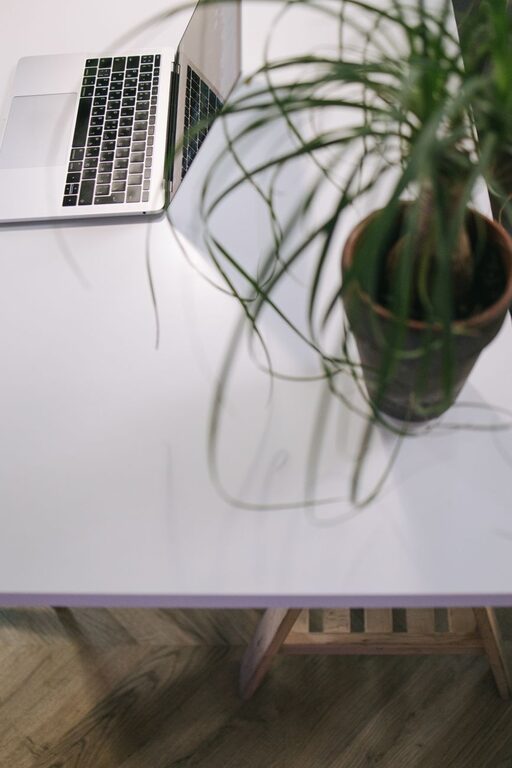
– Add plants: Greenery improves air quality and adds a refreshing look.
– Artwork or photos: Display items that motivate or relax you.
– Color scheme: Use calming or energetic colors based on your preference.
Minimize Distractions
Reducing interruptions helps maintain concentration.
– Set boundaries: Let household members know your work hours and space is off-limits during those times.
– Turn off notifications: Silence unnecessary phone and computer alerts.
– Use noise-canceling headphones: Particularly helpful in noisy environments.
Organize Your Workday
Even the best-designed office won’t help without a good routine.
– Create a schedule: Define start and end work times.
– Take breaks: Short regular breaks boost focus and reduce fatigue.
– Use task lists: Organize priorities and track progress.
Optimize Technology and Connectivity
Reliable tools and internet make your workflow smoother.
– Upgrade your internet: A strong connection avoids disruptions during calls or uploads.
– Use quality accessories: Invest in a good keyboard, mouse, and headset.
– Backup your work: Use cloud storage or external drives to prevent data loss.
Maintain Your Workspace
A productive office requires upkeep.
– Clean your desk daily: A tidy area signals work time.
– Check equipment regularly: Make sure all devices are functioning correctly.
– Rearrange if needed: Don’t hesitate to tweak your setup for better comfort or efficiency.
Conclusion
Setting up a productive home office space is about creating an environment that supports your work style, comfort, and focus. By choosing the right location, investing in ergonomic furniture, minimizing distractions, and organizing your day effectively, you can transform any space into a professional and enjoyable workplace. Remember, small changes can make a big difference in productivity and well-being. Happy working!