
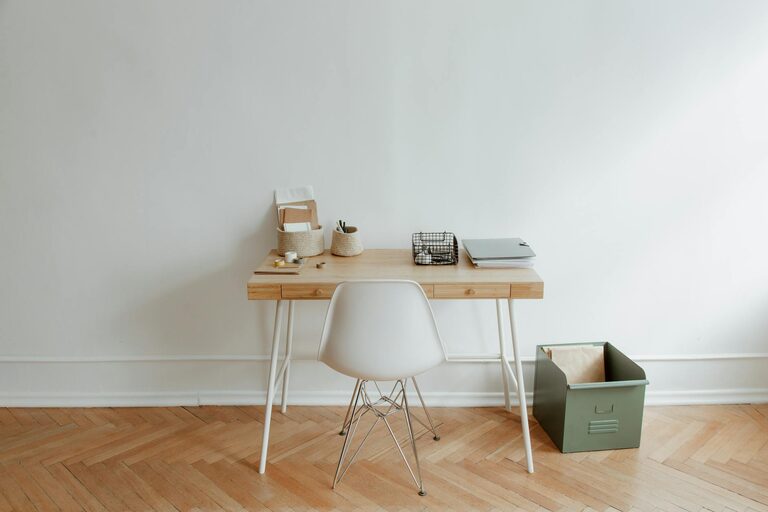
Creating an organized home office is key to enhancing productivity and maintaining focus throughout your workday. A cluttered or chaotic workspace can lead to distractions, stress, and wasted time looking for supplies or documents. Fortunately, organizing your home office doesn’t have to be complicated or expensive. With some simple strategies, you can design a workspace that supports your work habits and helps you stay on top of your goals.
Why Organize Your Home Office?
Having a well-organized home office provides several benefits:
– Improved focus: Fewer distractions mean you can concentrate better.
– Time savings: Easily find what you need without wasting minutes searching.
– Reduced stress: A tidy space promotes calm and clear thinking.
– Better ergonomics: Organized areas often invite better layout and comfort.
Step 1: Declutter and Assess Your Space
Before bringing in organizers or storage solutions, start by decluttering your workspace.
– Clear your desk: Remove everything and sort items into categories—keep, relocate, or discard.
– Evaluate what you use: Only keep items you use frequently on or near your desk.
– Identify problem areas: Notice where clutter tends to gather—drawers, corners, shelves.
This initial clean slate makes it easier to decide what you truly need and how to arrange it.
Step 2: Choose a Functional Desk and Chair Setup
Your desk and chair are the foundation of your home office.
– Desk size: Choose a desk that fits comfortably and provides enough surface for your work essentials without overcrowding.
– Comfortable chair: Use an ergonomic chair that supports good posture to reduce fatigue.
Having the right furniture encourages productivity and helps prevent discomfort.
Step 3: Use Smart Storage Solutions
Effective storage helps keep essential items accessible without cluttering your workspace.
#### Desktop organizers
– Use trays, pen holders, or small containers to keep pens, paper clips, and notepads tidy.
– Consider a desk organizer with compartments for documents and gadgets.
#### Shelving and filing
– Install shelves for books, binders, or decorative baskets.
– Utilize file folders or boxes to categorize and store papers.
#### Drawer management
– Use drawer dividers to separate supplies.
– Assign drawers for specific categories, such as office supplies, electronics, or personal items.
Step 4: Optimize Cable Management
Tangled cables can create visual clutter and make it hard to clean.
– Use cable clips or ties to bundle cords together neatly.
– Consider a cable box to hide power strips.
– Position outlets and devices for easy access and minimal crossing of wires.
Organized cables improve safety and look cleaner.
Step 5: Create Zones Based on Tasks
Segment your workspace based on the types of work you do.
– Primary work zone: Your main desk area with computer and most-used tools.
– Reference zone: Shelves or drawers where you keep books or documents.
– Creative zone: Space for brainstorming materials, mood boards, or writing.
– Break zone: A small area with a chair or cushions where you can step away and relax briefly.
Designating zones helps your mind switch gears and keeps the flow efficient.
Step 6: Keep Your Workspace Personalized but Minimal
Adding personal touches like photos, plants, or artwork can motivate you. However, keep decorations minimal to avoid distractions.
– Place a small plant for a refreshing feel—it can help reduce stress.
– Display just a few meaningful items that inspire you.
Step 7: Establish Daily and Weekly Habits
Organization isn’t a one-time task. Maintaining a system requires regular upkeep.
– Daily tidying: Spend 5 minutes at the end of each workday to put items back where they belong.
– Weekly review: Declutter papers, update your filing, and clean surfaces once a week.
– Digital organization: Don’t forget to organize your computer files and emails regularly to match your physical space.
Bonus Tips for a Productive Home Office
– Adequate lighting: Use natural light when possible, plus task lighting to reduce eye strain.
– Minimize noise: Consider noise-cancelling headphones or white noise machines if your environment is noisy.
– Comfort accessories: Add a footrest or wrist support to enhance comfort.
Final Thoughts
Organizing your home office is an ongoing process that pays off with increased productivity and enjoyment in your work environment. By decluttering, investing in smart storage, managing cables, and establishing simple routines, you create a space that supports your best work each day. Start small—implement one or two tips today and watch how your workspace transforms over time!