
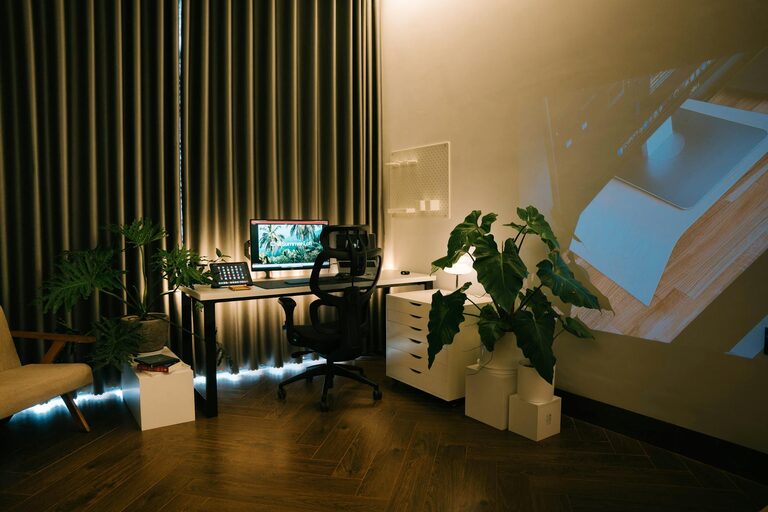
Creating a home office that is both cozy and productive can make a huge difference in your daily work experience. Whether you’re working full-time from home or need a dedicated space for occasional tasks, designing an environment that inspires focus while providing comfort is key. In this post, we’ll explore helpful tips and ideas to set up a home office that balances functionality and warmth.
Choose the Right Location
Your workspace’s location within your home plays a major role in how effectively you can work. Consider the following:
– Natural Light: Aim for a spot that receives plenty of natural light. Sunlight not only brightens the room but can also improve your mood and energy levels.
– Low Distractions: Pick a quiet area away from busy parts of the house like the kitchen or living room.
– Space Availability: Make sure there’s enough room for your desk, chair, and any additional storage you may need.
If limited space is a challenge, consider creative solutions such as using a corner of your bedroom or living room and defining that area with a small rug or partition.
Invest in Comfortable and Functional Furniture
Your chair and desk are your primary tools for a comfortable workday:
– Ergonomic Chair: Choose a chair that supports your back and promotes good posture. Adjustable height and lumbar support are important features.
– Appropriate Desk: Opt for a desk height that suits your body and accommodates your equipment. If possible, consider a sit-stand desk to vary your posture throughout the day.
– Storage Solutions: Desks with built-in drawers or adding shelves nearby help keep your workspace tidy and organized.
Comfortable furniture reduces strain and helps maintain focus for longer periods.
Use Soothing Colors and Personal Touches
Colors affect mood and productivity. Consider these points when decorating:
– Choose Calm Colors: Soft blues, greens, and neutral shades create a peaceful atmosphere that helps concentration.
– Add Plants: Indoor plants not only improve air quality but also add a touch of nature and tranquility.
– Personal Items: Include photos, artwork, or inspirational quotes that motivate you but avoid clutter.
A balance of personalization and simplicity will keep your space inviting without overwhelming you.
Optimize Lighting
Proper lighting is essential to reduce eye strain and maintain energy:
– Natural Light First: Maximize daylight by positioning your desk near windows.
– Task Lighting: Use desk lamps with adjustable brightness for focused tasks.
– Warm Bulbs: Choose bulbs that emit warm or neutral white light to create a cozy ambiance.
Avoid harsh overhead lights or glare from screens, as they can cause headaches and fatigue.
Organize for Efficiency
An organized workspace saves time and reduces stress:
– Declutter Regularly: Keep only the essentials on your desk and put away items not in use.
– Use Organizers: Desk trays, file holders, and cable management tools help keep things tidy.
– Digital Organization: Maintain a clean and structured digital workspace with organized folders and backups.
A neat environment helps clear your mind and promotes better workflow.
Incorporate Technology Wisely
Technology enhances productivity but can also be distracting if not managed:
– Reliable Equipment: Invest in a good quality computer, keyboard, mouse, and headset that suit your needs.
– Fast Internet: Ensure your internet connection is stable to prevent interruptions.
– Minimize Distractions: Turn off notifications or use focus modes on your devices during work hours.
Choosing the right tools helps you work smart and stay connected smoothly.
Create Boundaries for Work and Life Balance
When working from home, clear boundaries can protect your personal time:
– Set Work Hours: Decide on specific start and end times to create routine.
– Dedicated Workspace: Use your office area only for work-related activities.
– Physical Separation: Close the door or use a screen after work to mentally transition out of work mode.
This approach helps maintain a healthy work-life balance and prevents burnout.
Add Comfort Features
Adding a few comfort elements can improve your overall experience:
– Cozy Textiles: Place a soft rug or cushion on your chair.
– Temperature Control: Use a fan or heater as needed to stay comfortable throughout the day.
– Refreshment Station: Keep water, tea, or healthy snacks easily accessible.
Small touches like these make your home office feel welcoming and enjoyable.
—
Creating a cozy and productive home office is all about balancing comfort, organization, and functionality. By thoughtfully choosing your location, furniture, lighting, and accessories, you can design a space that not only looks good but supports your best work. Remember, this is your personal space—make it work for you so that every day feels a little easier and more inspiring.